01
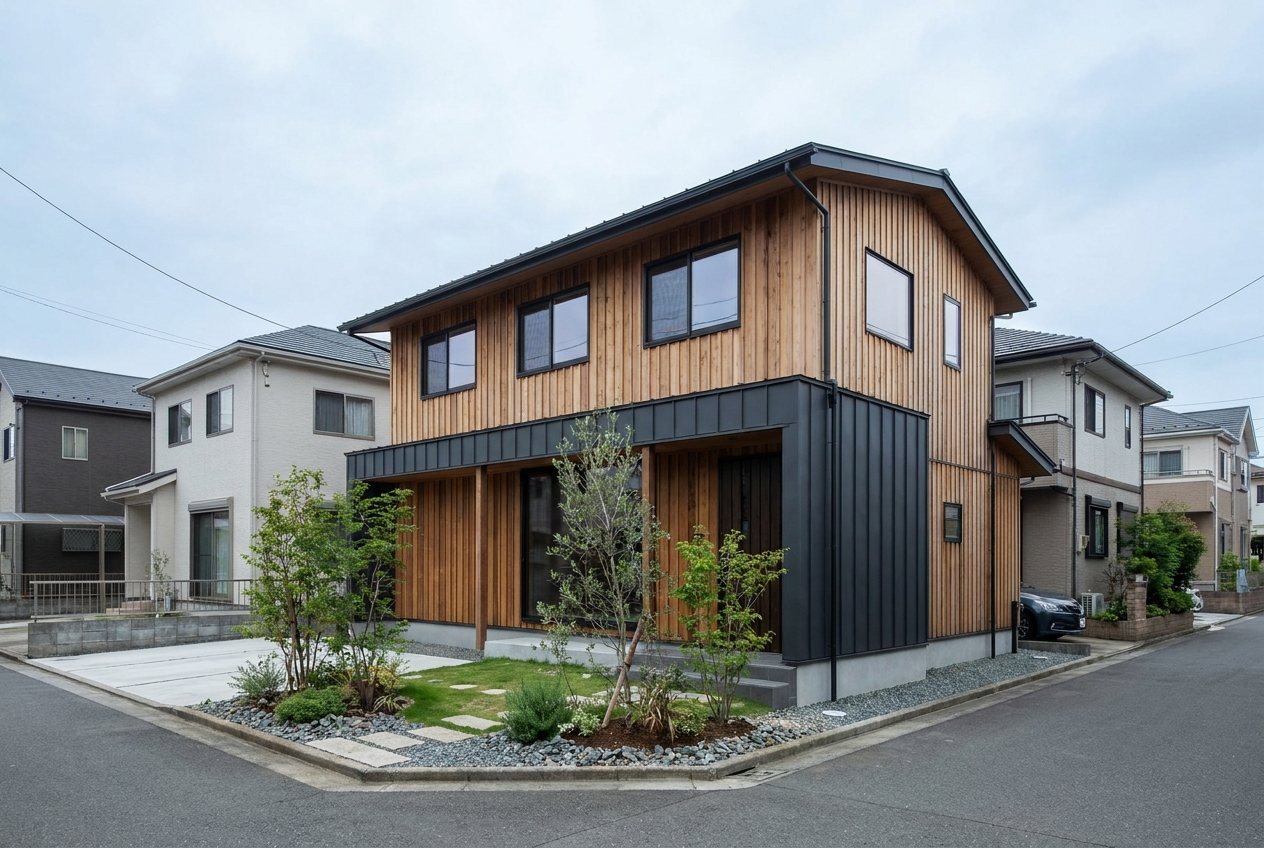
Detached houses
New-build houses for sale, or renovation projects reviving vacant homes. Construction periods are relatively short, but results depend heavily on market conditions at the time of sale.
Educational guide | 2026 edition
Crowdlending (lending-based crowdfunding, known in Japan as "social lending") pools money from many individuals online and lends it to businesses such as property developers. Jgranas recommends no products; we explain the structure, the legal framework and the risks from a neutral standpoint.
This website is for information only. We do not solicit or sell any financial products.
01 | Basics
Crowdlending is a lending-based form of crowdfunding in which an online platform connects businesses that need funds with many individuals willing to lend. In Japan it is often called "social lending", and many projects involve acquiring, developing or renovating real estate.
Under Japanese rules, an individual lending directly to a business would fall under the Money Lending Business Act. Platforms therefore typically set up a fund (a tokumei kumiai, or silent partnership) and individuals contribute to that fund. The operator must be registered as a Type II Financial Instruments Business Operator under the Financial Instruments and Exchange Act.
There is also real estate crowdfunding based on the Real Estate Specified Joint Enterprise Act, in which contributions go into the property itself. The two look similar but differ in legal framework, source of income and where the risk lies. Understanding the difference is the first step to sound knowledge.
02 | How it works
Here is the typical flow of funds in Japanese real estate crowdlending, broken into five stages. Actual terms vary by operator and project.
The operator reviews the property company's finances, business plan and the value of any property offered as collateral.
The operator sets up a fund, usually a silent partnership, and discloses the target yield, term, collateral or guarantees, and risks.
Individuals read the pre-contract disclosure document before contributing. Money is collected online from many contributors.
The fund lends the pooled money to the borrower, who uses it to acquire, build or renovate property.
Interest paid by the borrower, minus fees, is distributed, and principal is repaid at the end of the term. Repayment may be delayed or principal may not be returned.
03 | Property types
We explain the many types of homes and properties, and the characteristics of each, in clear terms.
New-build houses for sale, or renovation projects reviving vacant homes. Construction periods are relatively short, but results depend heavily on market conditions at the time of sale.
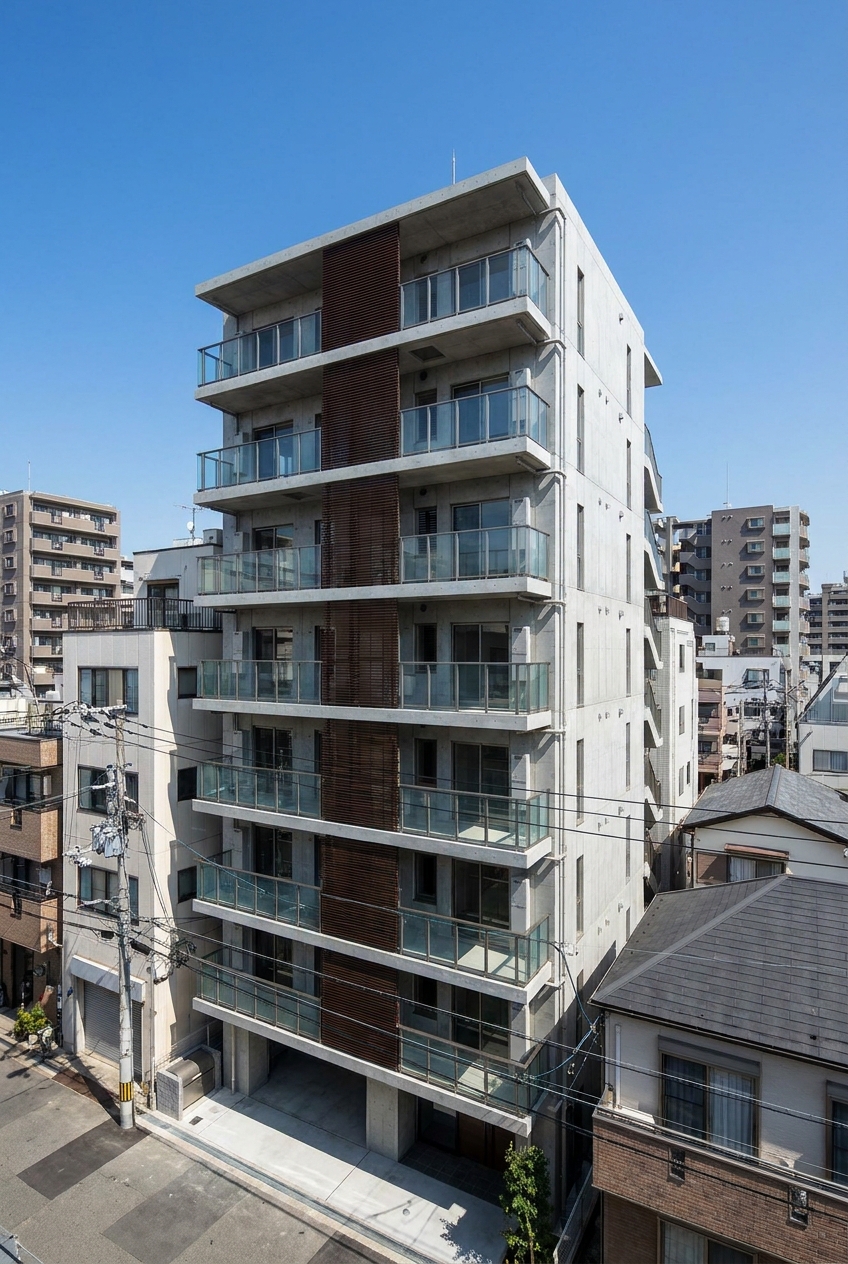
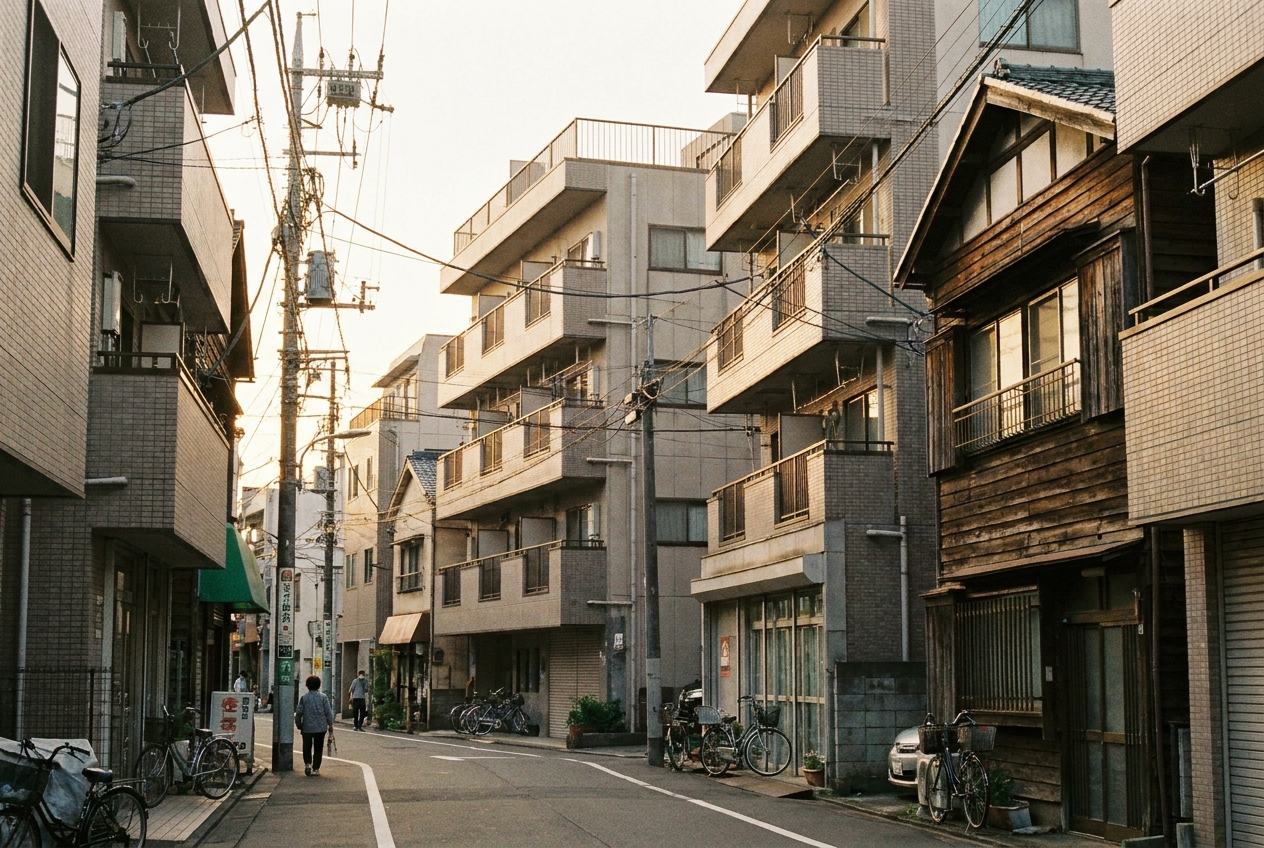
Small and mid-sized urban apartment buildings. Rent provides ongoing income, while vacancy rates, repair costs and interest rate changes affect profitability.

Manufacturing sites and distribution warehouses. E-commerce growth has drawn attention to demand, but location and tenant creditworthiness are key considerations.
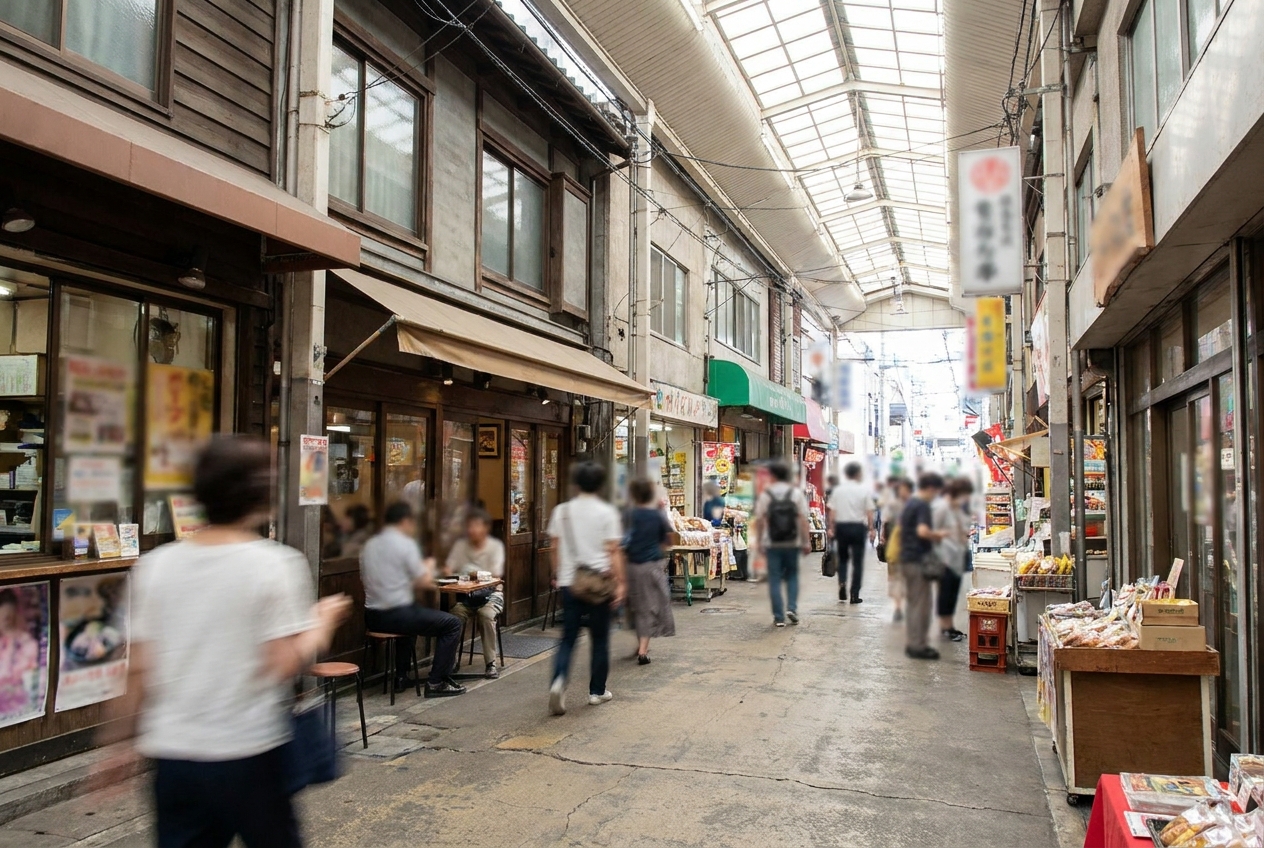
Shops on local shopping streets, offices and hotels. They are sensitive to the economy, tourism and tenant performance, so income tends to fluctuate more.
04 | Market basics
We provide fundamental knowledge about the Japanese real estate market and housing.
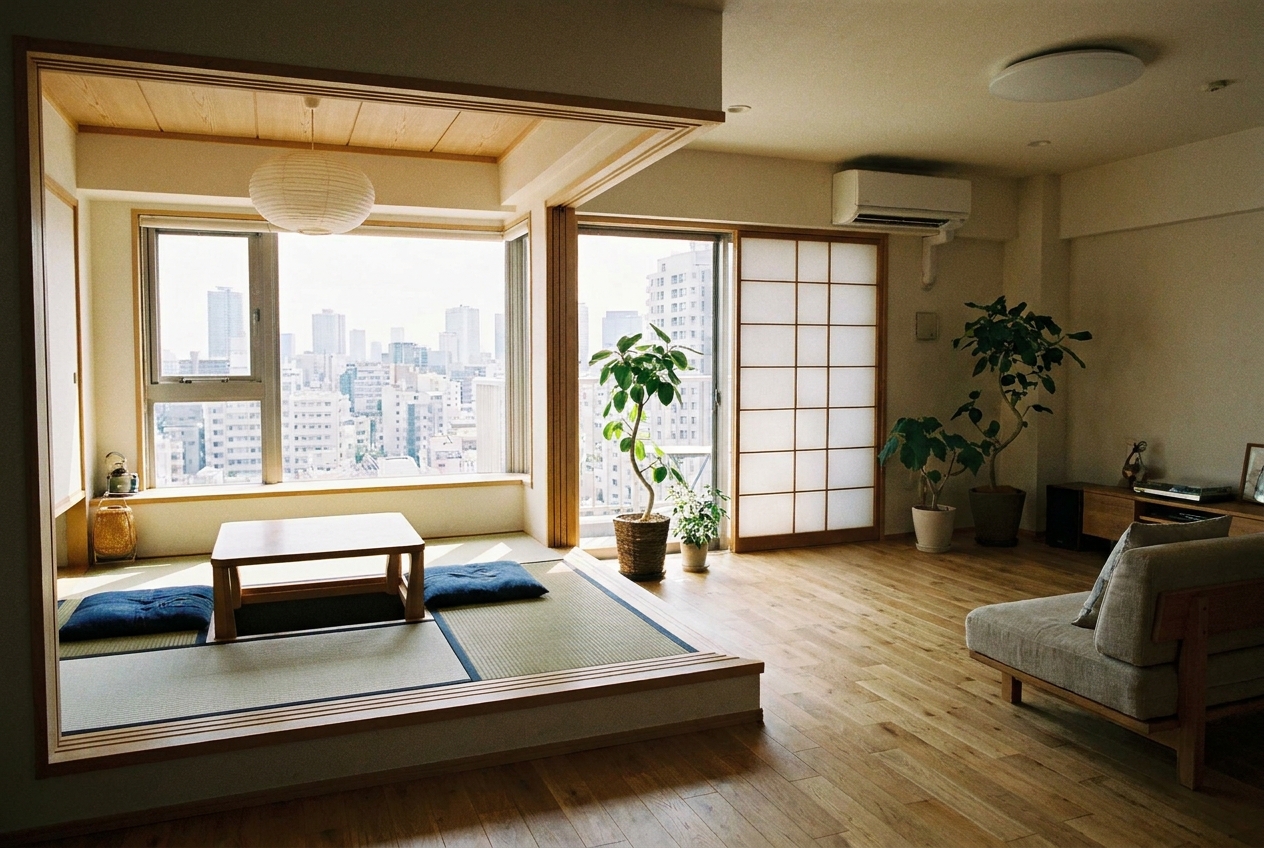
The Bank of Japan ended its negative interest rate policy in 2024 and has raised its policy rate in stages since. Higher rates affect borrowing costs, property prices and borrowers' ability to repay.
According to the 2023 Housing and Land Survey by the Ministry of Internal Affairs and Communications, Japan has about 9 million vacant homes, a record vacancy rate of 13.8%. Regional differences in demand keep widening.
Buildings approved from June 1981 onward meet the "new seismic standard". Age and structure are key factors in a property's value and financing terms.
Since April 2024, registering inherited property is mandatory, part of an effort to resolve land with unknown owners. Checking registry records is a basic step in any property transaction.
05 | Pros & risks
Every structure has strengths and weaknesses. It is important to give both equal weight.
A "target yield" is not a promise of future results. Past performance does not guarantee future outcomes.
06 | Articles
Explainers written by our editorial team covering the basics of crowdlending and real estate.
The two schemes sound alike, but they rest on different laws and generate income in different ways.
Every operator is required to provide this document, and it contains what you need to understand the structure.
Several Japanese social lending operators have faced administrative action in the past.
Taxation works differently from shares or investment trusts. Here are the basic rules.
07 | FAQ
No. Jgranas is an educational media site. We do not sell, solicit or broker financial products, accept deposits or give individual advice.
No. Crowdlending in Japan has no principal guarantee. Part or all of the principal may be lost if the borrower defaults or the operator fails.
The Financial Services Agency website publishes a list of licensed and registered businesses, where you can check registration as a Type II Financial Instruments Business Operator or money lender.
About twice a month we send updates on regulatory changes, explanations of market statistics and new articles. We never promote specific products or projects.
Your name and email address are used only to send the newsletter and are managed in line with the Act on the Protection of Personal Information and our Privacy Policy. You can unsubscribe at any time.
Newsletter
Key regulatory changes, how to read market statistics and new explainers, all from a neutral perspective. Subscribing is free and you can unsubscribe at any time.
We use cookies necessary to run this site and, only with your consent, cookies for analytics and advertising measurement (compatible with Google Consent Mode v2). Cookie Policy